Advanced tracking: what it is and why it's changing the way you invest in advertising.

Quick guide6 topics · see allSee topicsClose
Every advertising platform learns from what happens after the click. If it doesn't receive that information, it learns from the only thing it sees: the click itself.
That's why so many campaigns bring in visits but few leads. They're optimizing for the wrong thing.
1. What is tracking?
It's a record of the actions that matter on your website: form submitted, WhatsApp click, phone call, visit to a service page. Each action is associated with the campaign that brought the person in.
2. What changes with advanced tracking?
Basic tracking loses some information due to browser blockers and restrictions. Advanced tracking also records actions through a different method, which loses less data.
In practice, the platforms receive a more accurate picture of who converted, and the campaigns start to target more people with that profile.
3. Why does this affect your investment?
When Google or Meta knows who filled out the form, the budget stops going to those who only click and starts going to those who have a better chance of becoming a contact.
And you, on the other side, can see which campaigns are delivering results and which are just wasting budget.
Quick guide6 topics · see allSee topicsClose
4. And what about privacy?
Tracking respects visitor consent, as required by the LGPD (Brazilian General Data Protection Law). Contact information is sent securely, only for the platforms to recognize who converted.
5. Where can I see these numbers?
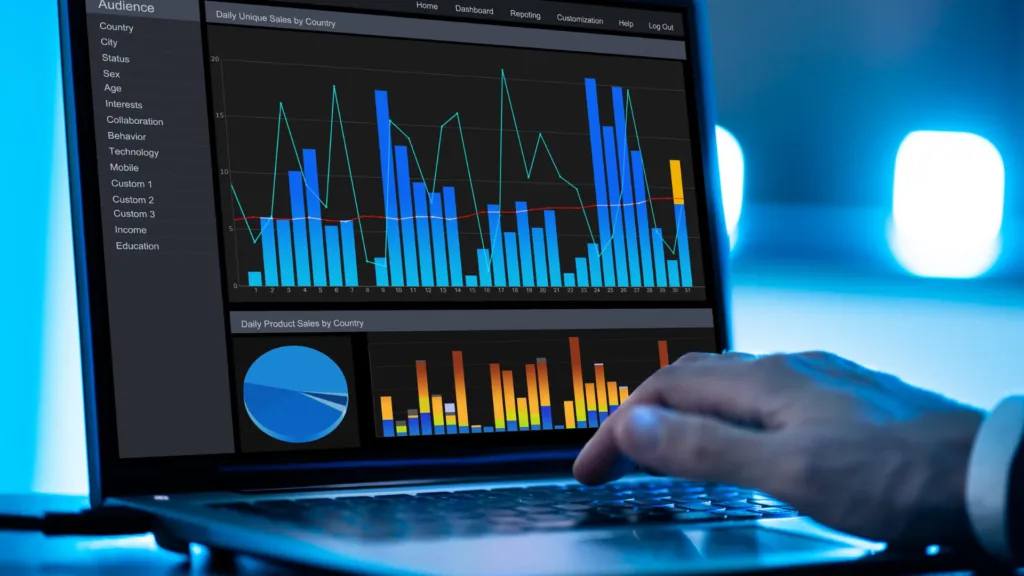
A dashboard displays real-time metrics for all campaigns. There you can track how many leads you received, where they came from, and how much each lead cost, without relying on reports to understand your investment performance.
6. Next step
If your campaigns are bringing in visits but few leads, it's worth starting with tracking. Request a quote and receive the proposal via WhatsApp.